
Aviation Inventory
Garmin G5 in Modern Aviation
Apr
The Importance of the Garmin G5 in Modern Aviation
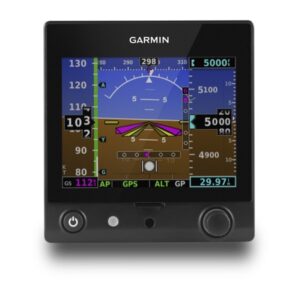
Garmin G5 HSI Kit. In modern aviation, technological advancements have transformed how pilots operate aircraft, navigate airspace, and ensure safety. Among the most impactful innovations in general aviation is the introduction of compact electronic flight instruments such as the Garmin G5. Designed as a replacement for traditional analog instruments, the Garmin G5 has become a revolutionary tool in both certified and experimental aircraft. Its importance lies not only in its functionality but also in how it enhances safety, efficiency, reliability, and accessibility in aviation.
Garmin G5 HSI Kit
Understanding the Garmin G5
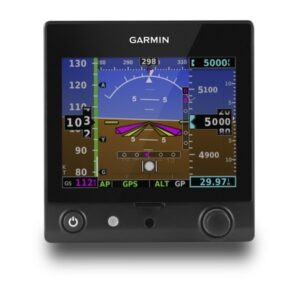
The Garmin G5 is an electronic flight instrument system (EFIS) designed to replace traditional mechanical flight instruments such as the attitude indicator and directional gyro. It features a compact 3.5-inch color display and provides critical flight data in a clear, digital format.
Unlike older vacuum-driven instruments, the G5 uses solid-state sensors (AHRS – Attitude and Heading Reference System) to determine aircraft attitude, ensuring more reliable and accurate data.
The instrument can be configured in multiple roles, including:
- Primary attitude indicator
- Horizontal Situation Indicator (HSI)
- Turn coordinator
This versatility makes it a multifunctional solution for modern cockpits.
Garmin G5 HSI Kit
Transition from Analog to Digital Cockpits
One of the most important contributions of the Garmin G5 is its role in transitioning aviation from analog to digital systems.
Traditional cockpit instruments relied heavily on mechanical gyros and vacuum systems. These systems were:
- Prone to failure
- Expensive to maintain
- Less accurate over time
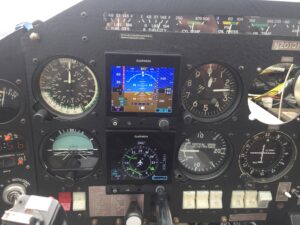
The Garmin G5 replaces these outdated systems with digital technology, providing a “glass cockpit” experience even in older aircraft.
This transition is significant because it:
- Modernizes older aircraft
- Improves pilot situational awareness
- Reduces mechanical complexity
Garmin G5 HSI Kit
Enhanced Safety in Flight Operations
Safety is the most critical aspect of aviation, and the Garmin G5 significantly enhances it in several ways.
1. Reliable Solid-State Technology
Unlike mechanical instruments that can fail due to wear or vacuum system issues, the G5 uses solid-state sensors, which are:
- More durable
- Less prone to failure
- Highly accurate
This ensures that pilots receive consistent and reliable flight data.
Garmin G5 HSI Kit
2. Backup Battery System
The Garmin G5 includes an internal backup battery capable of operating for up to 4 hours in case of electrical failure.
This feature is crucial during emergencies, ensuring continuous access to essential flight information even if the aircraft loses power.
Garmin G5 HSI Kit
3. Redundancy with Dual Installations
Installing two G5 units provides redundancy. If one unit fails, the other can display critical flight data.
This redundancy significantly reduces risk during instrument flight conditions (IFR).
Garmin G5 HSI Kit
Improved Situational Awareness
Situational awareness refers to a pilot’s understanding of their aircraft’s position, orientation, and environment. The Garmin G5 greatly enhances this awareness.
Garmin G5 HSI Kit
Comprehensive Data Display
The G5 displays multiple parameters on a single screen, including:
- Airspeed
- Altitude
- Vertical speed
- Heading
- Turn rate
- Slip/skid indicator
This consolidation reduces the need for pilots to scan multiple instruments, improving reaction time and decision-making.
Garmin G5 HSI Kit
Clear and Readable Display
The bright LCD screen is designed to be readable even in direct sunlight.
This ensures that critical information remains visible in all lighting conditions, which is essential for safe flight operations.
Garmin G5 HSI Kit
Integration with Modern Avionics
Another key aspect of the Garmin G5’s importance is its ability to integrate with other avionics systems.
Garmin G5 HSI Kit
Compatibility with GPS and Navigation Systems
The G5 can connect with modern GPS navigators, allowing pilots to:
- Follow flight plans
- Track routes
- Receive navigation guidance
Garmin G5 HSI Kit
Autopilot Integration
When paired with systems like the GFC 500 autopilot, the G5 enhances flight control by:
- Reducing pilot workload
- Enabling smoother flight operations
- Supporting advanced features like coupled approaches
This integration transforms the G5 from a simple display into a central component of the aircraft’s avionics ecosystem.
Cost-Effective Modernization
Upgrading aircraft avionics can be extremely expensive, especially when installing full glass cockpit systems. The Garmin G5 provides a cost-effective alternative.
Affordable Upgrade Path
Compared to larger systems, the G5 is relatively affordable and easy to install.
It fits into standard instrument panel cutouts, reducing installation complexity and cost.
Garmin G5 HSI Kit
Reduced Maintenance Costs
By eliminating vacuum systems and mechanical components, the G5:
- Lowers maintenance requirements
- Reduces long-term operational costs
This makes it particularly attractive for private pilots and small aircraft operators.
Ease of Installation and Use
The Garmin G5 is designed with simplicity in mind.
Quick Installation
The device is a “drop-in replacement” for traditional instruments, meaning it can be installed without major modifications.
Garmin G5 HSI Kit
User-Friendly Interface
Pilots can easily adjust settings such as altitude bugs and barometric pressure using simple controls.
This ease of use reduces training time and allows pilots to focus more on flying.
Garmin G5 HSI Kit
Versatility Across Aircraft Types
The Garmin G5 is certified for installation in hundreds of aircraft models, making it widely applicable.
It is suitable for:
- Light aircraft
- Experimental aircraft
- Training aircraft
Its flexibility allows it to be used in both VFR (Visual Flight Rules) and IFR (Instrument Flight Rules) conditions.
Contribution to Pilot Training
The Garmin G5 plays an important role in pilot training, especially as aviation moves toward digital cockpits.
Preparing Pilots for Modern Aircraft
Many modern aircraft use glass cockpit systems. Training with the G5 helps pilots:
- Become familiar with digital displays
- Understand integrated avionics
- Improve instrument flying skills
Simplifying Learning
By presenting information clearly and in one place, the G5 reduces cognitive load, making it easier for students to learn.
Garmin G5 HSI Kit
Increased Operational Efficiency
Efficiency in aviation is not just about fuel consumption—it also includes workload, navigation, and decision-making.
Reduced Pilot Workload
By consolidating multiple instruments into one display, the G5:
- Reduces the need for constant scanning
- Simplifies cockpit management
Better Navigation
With integrated GPS and HSI functionality, pilots can navigate more accurately and efficiently.
Reliability and Durability
Reliability is a critical factor in aviation equipment.
The Garmin G5 is built with:
- Solid-state components
- Minimal moving parts
This design ensures:
- Longer lifespan
- Reduced failure rates
- Consistent performance
Environmental and Operational Benefits
The removal of vacuum systems has additional benefits:
- Reduced weight
- Lower power consumption
- Improved overall aircraft efficiency
These factors contribute to better aircraft performance and reduced operational costs.
The Garmin G5 in the Context of Aviation Evolution
The Garmin G5 represents a broader shift in aviation toward digital systems.
Bridging Old and New Technology
While advanced systems like the Garmin G1000 offer full glass cockpit solutions, they are often expensive and require major aircraft modifications.
The G5 bridges this gap by:
- Bringing digital capabilities to older aircraft
- Providing a stepping stone to full glass cockpits
Democratizing Advanced Avionics
By making modern avionics more affordable, the G5 allows more pilots and aircraft owners to benefit from advanced technology.
Challenges and Limitations
While the Garmin G5 is highly beneficial, it is not without limitations.
Limited Screen Size
The 3.5-inch display may feel small compared to larger glass cockpit systems.
Garmin G5 HSI Kit
Need for Multiple Units
To achieve full functionality (e.g., both attitude and HSI), pilots may need two G5 units.
Integration Requirements
Some advanced features require additional equipment, such as GPS navigators or autopilot systems.
Future Implications
The success of the Garmin G5 highlights the growing importance of compact, integrated avionics.
Future developments may include:
- More advanced integration
- Larger displays with similar affordability
- Enhanced automation features
The G5 has set a benchmark for what entry-level digital avionics can achieve.
Garmin G5 HSI Kit
Conclusion
The Garmin G5 is more than just an instrument—it is a transformative technology in modern aviation. Its importance lies in its ability to enhance safety, improve situational awareness, reduce costs, and modernize aircraft without requiring extensive modifications.
By replacing outdated mechanical systems with reliable digital technology, the G5 has made advanced avionics accessible to a broader range of pilots and aircraft owners. Its integration capabilities, ease of use, and robust performance make it a cornerstone of modern general aviation.
As aviation continues to evolve, tools like the Garmin G5 will remain essential in bridging the gap between traditional and modern cockpit technologies, ensuring safer and more efficient skies for everyone.
