
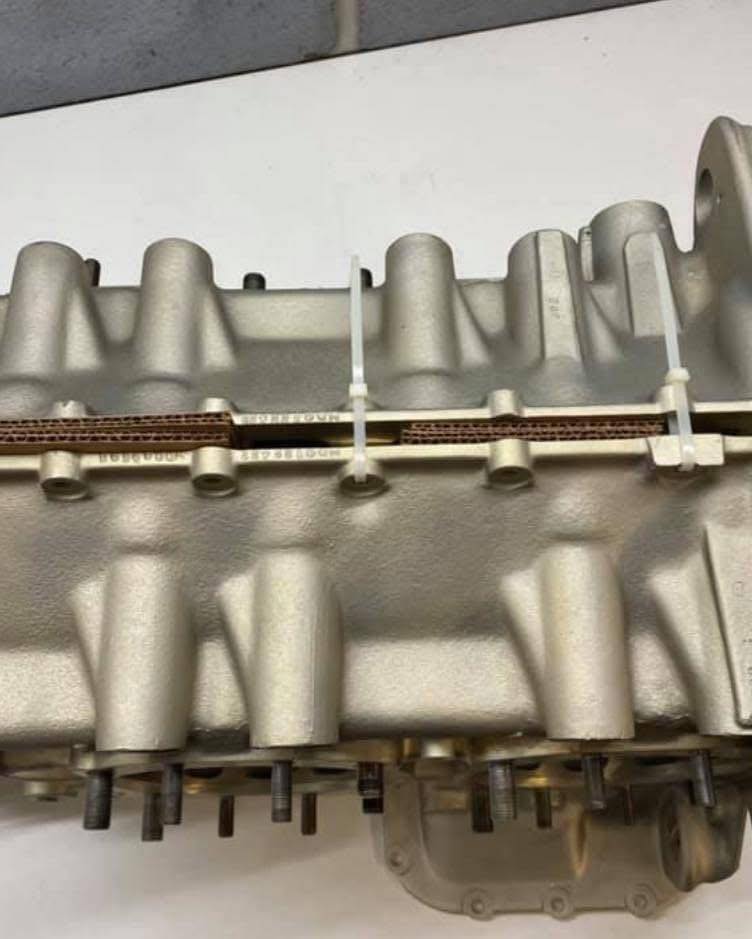
Lycoming IO-360 Crankcase

$2,000.00
Lycoming IO-360 Crankcase
For sale — Lycoming IO-360 crankcase in excellent serviceable condition. Professionally inspected and repaired by Divco in 2018 and properly preserved in original packaging.
Details:
• Casting Number: 72082
• Condition: Inspected and repaired (Divco, 2018)
• Certification: FAA 8130-3 / EASA Dual Release included
• Packaging: Original Divco packaging
• Status: Ready for installation
Reliable component ideal for engine rebuilds, overhauls, or replacement needs.
Lycoming IO-360 Crankcase
Lycoming IO-360 Crankcase. When it comes to aircraft engine rebuilds, overhauls, and long-term reliability planning, few components matter as much as the crankcase. It’s the structural core of the engine—supporting the crankshaft, camshaft, bearings, and internal loads that must remain stable under constant vibration, heat, and pressure. For operators, engine builders, and maintenance facilities working with Lycoming platforms, sourcing a crankcase that is traceable, certified, and correctly repaired can make the difference between a smooth overhaul and an expensive delay. Lycoming IO-360 Crankcase | Affordable Aircraft Parts
This listing highlights a Lycoming IO-360 crankcase in excellent condition, professionally inspected and repaired by Divco in 2018, then stored securely ever since. What makes this unit especially valuable is the inclusion of FAA Form 8130-3 and EASA Dual Release, giving global operators and maintenance organizations greater confidence and documentation support for installation and continued airworthiness. Lycoming IO-360 Crankcase | Affordable Aircraft Parts
Optimized technical listings like this also tend to rank better on search engines such as Google and Bing, especially when paired with clear part details, strong maintenance context, and outbound links to authoritative references. Lycoming IO-360 Crankcase | Affordable Aircraft Parts
Lycoming IO-360 Crankcase
Why the Crankcase Is So Important in the Lycoming IO-360 Engine
The Lycoming IO-360 is a popular fuel-injected aircraft engine family widely used across general aviation and light aircraft categories. As with any reciprocating aircraft engine, its crankcase must withstand:
- High cyclic loads from combustion and piston movement
- Heat expansion and contraction over repeated operating cycles
- Structural vibration through the engine mounts
- Stress around bearing supports and case halves
- Precision alignment requirements for internal rotating components
A crankcase is not a component you want to compromise on. Even minor defects—cracks, warping, worn mating surfaces, corrosion, or out-of-tolerance machining—can cause future reliability problems or fail inspection requirements. That’s why crankcases that are professionally inspected, repaired, and properly documented are extremely valuable in the overhaul market.
For general engine maintenance guidance and airworthiness safety best practices, high-quality references include:
- FAA official website and regulatory guidance:
- EASA official standards and continuing airworthiness framework:
Lycoming IO-360 Crankcase
Divco Inspection & Repair (2018): Professional Work That Adds Confidence
This crankcase was inspected and repaired by Divco in 2018, then placed into secure storage in the original packaging. That detail matters—because professional repair work performed by a reputable engine component specialist helps ensure:
- Structural integrity is confirmed
- Repair actions are documented properly
- The crankcase can be reintroduced into service under acceptable standards
- Inspection criteria align with industry overhaul expectations
In the aviation overhaul world, having a crankcase repaired by a recognized facility provides a level of assurance that is difficult to match with undocumented components.
Divco’s involvement is especially significant for buyers who need a dependable foundation for an overhaul or rebuild project without taking risks on unknown condition history.
For more background reading about engine overhaul principles, inspection expectations, and aviation maintenance workflows, aviation technical sources like these are helpful:
- SKYbrary (aviation safety & technical reference):
- AviationPros maintenance industry insights:
Lycoming IO-360 Crankcase
Dual Release Certification: FAA Form 8130-3 + EASA Included
One of the strongest selling points of this crankcase is the inclusion of FAA Form 8130-3 along with EASA Dual Release.
In aviation parts sourcing, certification and traceability are key. These documents help confirm:
- The part’s approved condition and release status
- Traceability and compliance with relevant standards
- Better acceptance across international maintenance environments
- Reduced documentation delays during installation or inspection
For maintenance facilities (especially those working across FAA and EASA regulatory environments), dual release documentation can save significant time and make the installation process smoother. Lycoming IO-360 Crankcase | Affordable Aircraft Parts
In short: this is not just a crankcase—it’s a traceable, internationally supported engine foundation component.
Lycoming IO-360 Crankcase
Lycoming IO-360 Crankcase Specifications and Part Identification
Clear identification details matter in engine component sourcing. Here’s what you need to know:
- Engine Type: Lycoming IO-360
- Casting Number: 72082
- Condition: Inspected & repaired (Divco, 2018)
- Certification: FAA Form 8130-3 + EASA Dual Release
- Packaging/Storage: Original Divco packaging, securely stored
The casting number is especially important for matching with your overhaul plan and compatibility requirements. Lycoming IO-360 Crankcase | Affordable Aircraft Parts
Lycoming IO-360 Crankcase
Best Use Cases for This IO-360 Crankcase
This crankcase is a strong fit for multiple aviation maintenance scenarios, including:
- Engine rebuild projects requiring a verified crankcase foundation
- Scheduled overhauls where documentation is essential
- Replacement of damaged or out-of-tolerance crankcases
- MRO and engine shop inventory stocking
- Operators seeking traceable, installation-ready engine parts
Because the crankcase determines the precision alignment of internal rotating assemblies, starting with a dependable unit helps avoid rework, delays, and cost stacking later in the overhaul process. Lycoming IO-360 Crankcase | Affordable Aircraft Parts
Final Thoughts: A Reliable, Traceable Crankcase Ready for Overhaul Support
A Lycoming IO-360 crankcase that has been professionally inspected and repaired, paired with FAA 8130-3 and EASA Dual Release, is not something buyers come across every day—especially when it has also remained securely stored in original packaging.
For engine builders, overhaul shops, and aircraft owners, this is the kind of component that reduces risk and improves build confidence. And from a marketing angle, publishing technical product content like this—structured properly for Google and Bing—helps attract serious maintenance buyers who search by casting number, certification type, and engine family.
Be the first to review “Lycoming IO-360 Crankcase”
Related products


Aircraft Parts


Reviews
There are no reviews yet.